

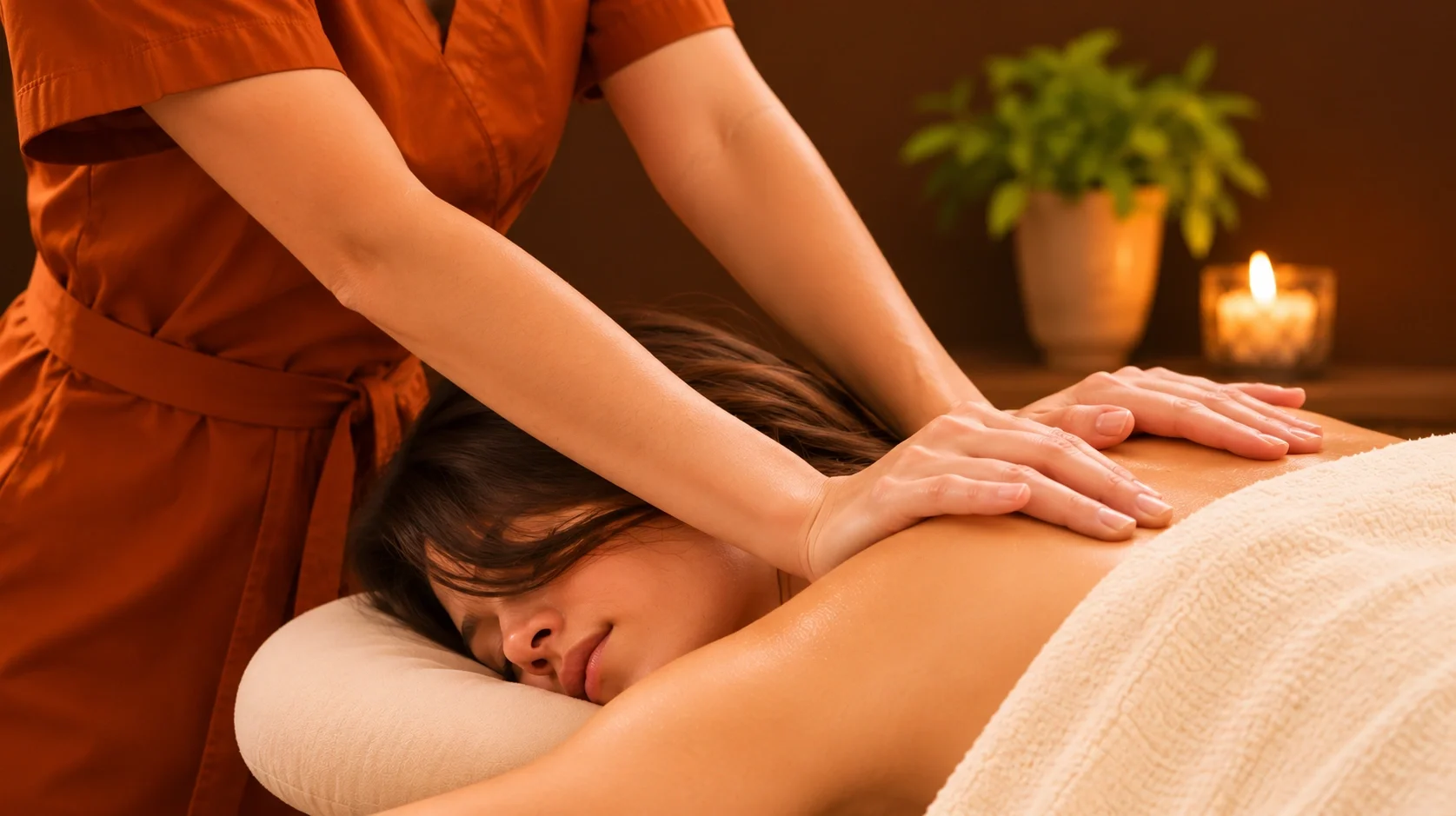
Deep tissue massage in Balmain
Deep tissue massage is designed for severe tension in the muscles and the connective tissue, or fascia, around them. It focuses on the muscles that lie below the surface layer.
How it works
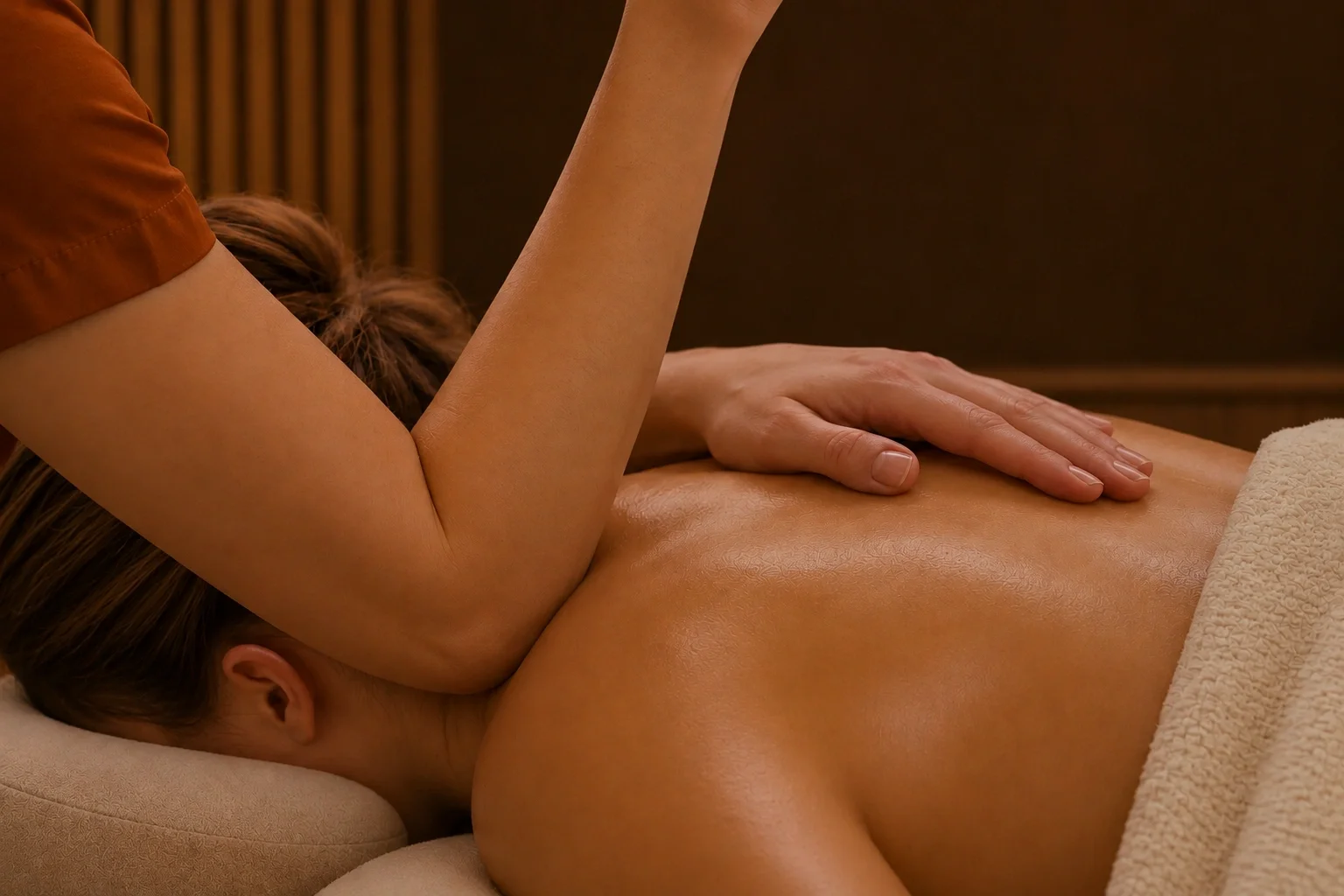
Deep tissue massage is therapeutic and targets a particular muscle or muscle group. Your back, for example, has several layers of muscle. A relaxation massage works mainly on the outer layers; deep tissue techniques reach the muscles underneath. Your therapist uses slow strokes or friction across the grain of the muscle, applying pressure with fingers, thumbs, hands and sometimes elbows and forearms.
Some clients also use the term to mean ‘sustained pressure’, meaning a preference for a stronger massage. Tell us which you're after when you book.
Who it suits
Deep tissue massage is often recommended for people with ongoing muscle tension, those who do heavy physical work or a lot of training, and people recovering from muscle strain. If you have an injury or a medical condition, please let your therapist know before the session.
What to expect afterwards
Some localised muscle ache for a day or two is normal.
Eric has over 20 years' experience in remedial, deep tissue, trigger point and sports massage. Lucky is a very effective deep tissue and sports therapist, with some of the strongest thumbs in the business. Gaby works with techniques including trigger point therapy and myofascial release. Meet the team.
-
It's firmer than a relaxation massage and you may feel some discomfort in tight areas, but it shouldn't hurt. Tell your therapist if the pressure is too much.
-
Remedial massage focuses on a specific problem, such as a stiff neck or sore lower back, using a range of techniques. Deep tissue uses slow, firm pressure on the deeper muscle layers. If you're unsure, book remedial and your therapist will adjust the pressure to suit.