

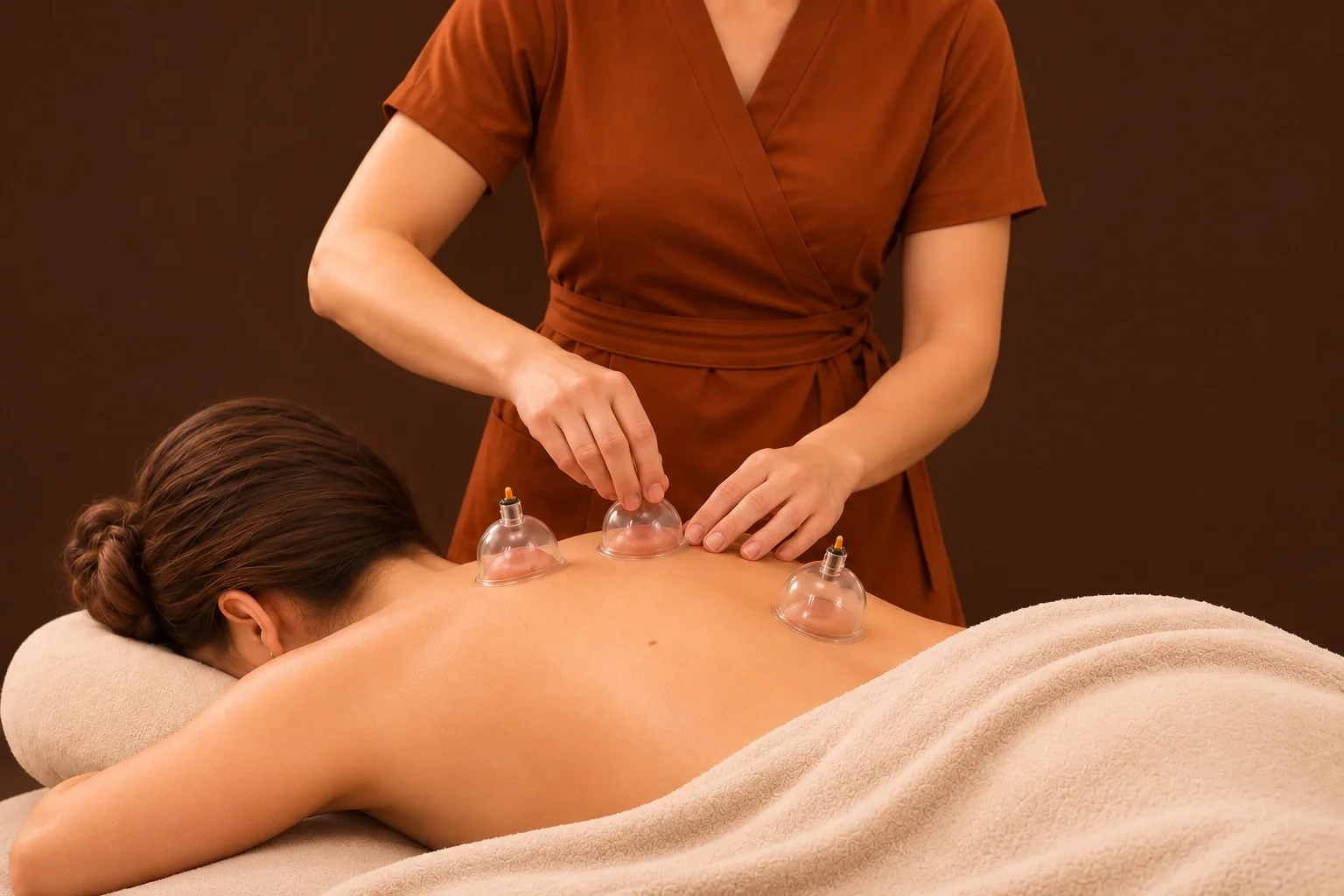
Myofascial release and cupping in Balmain
Myofascial release works on the fascia, the ‘cling film’ that surrounds all our muscles and organs Fascia is getting more and more attention as a factor in some persistent muscular problems.
There are several ways to release the fascia, including Bowen therapy. One of them is cupping: using suction cups on different areas of the body.
How myofascial cupping works
Cupping is an ancient Eastern technique that uses suction to lift contracted soft tissue. Myofascial cupping takes this a step further by also working on the fascia and deeper structures beneath. The cup is applied with a suction pump, which lifts the skin and the tissue underneath. The therapist then glides the cups over the skin, and that movement works on the fascia.
Myofascial cupping is often used for congested muscles in the upper back, glutes, iliotibial (IT) bands, calves and forearms.
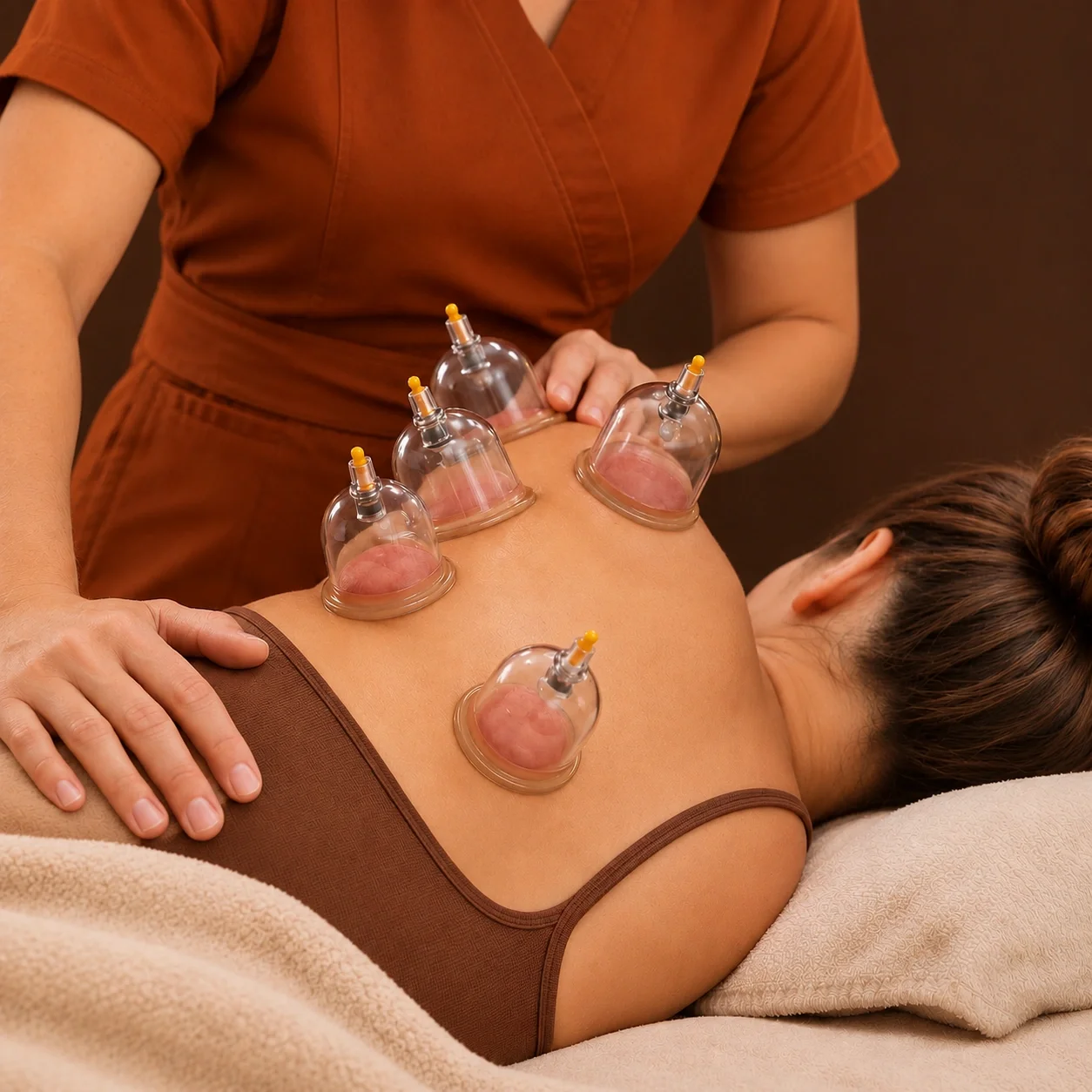
What to expect
Cupping is usually painless. It can leave red to purple marks where the cups were applied. They're a normal effect of the suction, and they usually fade within a few days and tend to be lighter with later sessions. Not everyone gets them. Some people feel relief straight away; long-standing tightness may need several sessions.
Is it right for me?
If you take blood-thinning medication, have a skin condition or are pregnant, please tell your therapist before the session, along with any other health conditions.
Gaby works with techniques including myofascial release, trigger point therapy and functional release. Meet the team.
Questions
-
It can. The marks are a normal effect of the suction, aren't usually painful, and usually fade within a few days.
-
Myofascial release is booked in sessions from 30 to 90 minutes.